Yesterday I began an acquaintance with my two female cousins, Austens. My uncle, aunt, Cassandra, and Jane arrived at Mr. F. Austen's the day before. We dined with them there. As it's pure nature to love ourselves, I may be allowed to give the preference to the eldest, who is generally reckoned a most striking resemblance of me in features, complexion, and manners. I never found myself so much disposed to be vain, as I can't help thinking her very pretty, but fancied I could discover she was not so well pleased with the comparison, which reflection abated a great deal of the vanity so likely to arise and so proper to be suppres't. The youngest [Jane] is very like her brother Henry, not at all pretty and very prim, unlike a girl of twelve; but it is hasty judgment which you will scold me for. My aunt has lost several fore-teeth, which makes her look old; my uncle is quite white-haired, but looks vastly well; all in high spirits and disposed to be pleased with each other.
Turn your inbox into a peaceful, calm and organized experience with Tecotype.
Inbox
Philadelphia meets Jane and Cassandra
Jane Austen, aged twelve, visits relations in Kent with her parents and older sister Cassandra. Their cousin Philadelphia Walter reports her first impressions to her brother James. She favours Cassandra, who resembles her, but admits that her judgement of Jane is hasty. This is one cousin’s contemporary opinion, not an impartial portrait of the future novelist.
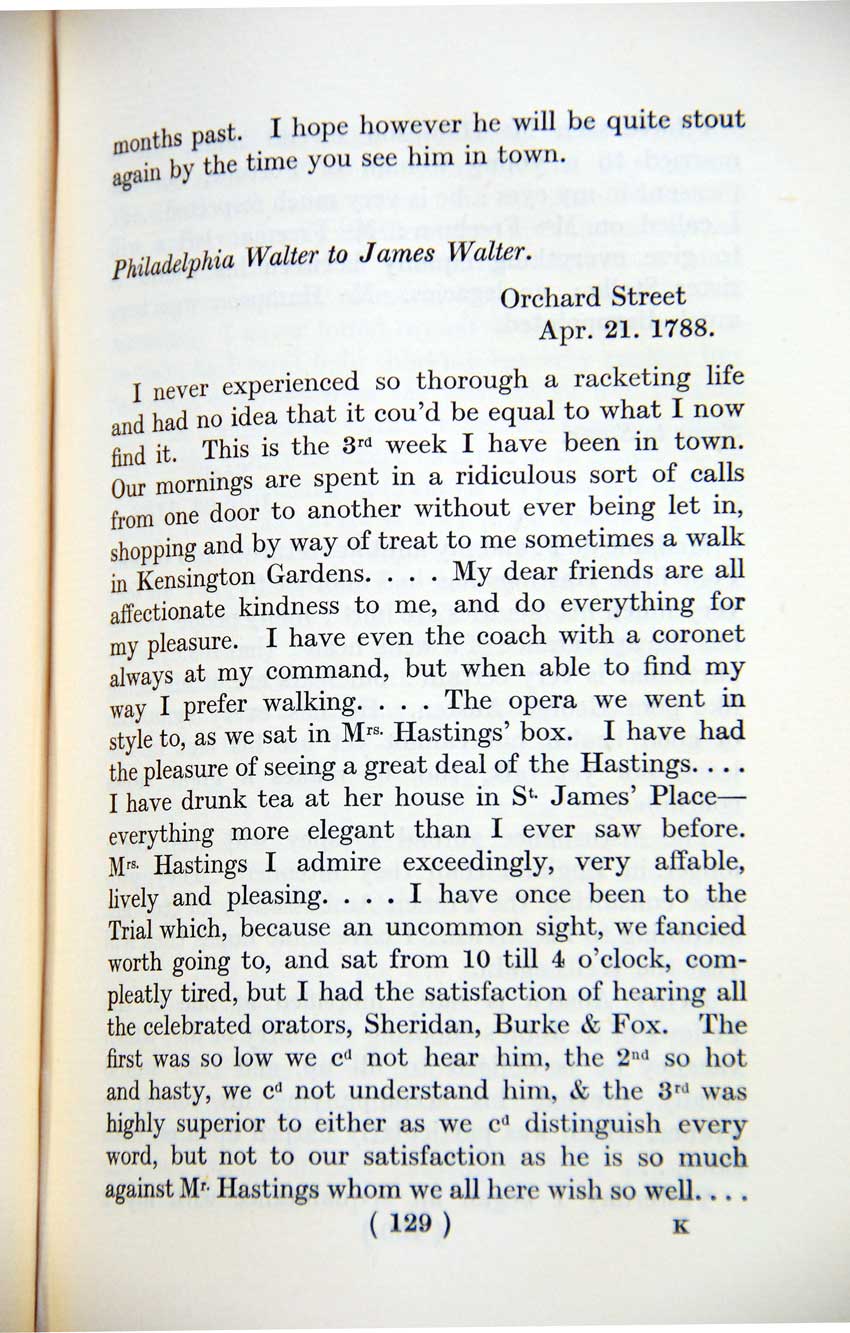
The older biography identifies the recipient only as her brother. Austen Papers, pp. 129–131 names James Walter, then prints the 23 July letter under “Same to Same”. Its fuller version contains omissions and also includes the “whimsical and affected” passage retained elsewhere in this collection. “Mr. F. Austen” is Francis Austen of Sevenoaks, Jane’s great-uncle, not her brother Francis.
Extract from Life and Letters (1913), p. 58.